
The Strategic Art of Hero Swapping in Dota 2: A Comprehensive Guide for 2026
Mastering the essential Dota 2 hero swap tactic is crucial for strategic flexibility and team coordination, transforming drafts and securing victory. This guide reveals the precise timing and methods for seamless swaps during strategy time and the pre-game window.
In the ever-evolving, high-stakes world of Dota 2, victory often hinges not just on individual skill, but on the seamless coordination and strategic flexibility of a team. While the game masterfully teaches the fundamentals of last-hitting, item builds, and ability usage, one crucial tactical layer remains for players to discover: the art of the hero swap. This maneuver, when executed with precision and purpose, can transform a shaky draft into a formidable lineup, turning the tide of battle before the first creep wave even meets. As of 2026, understanding the nuances of swapping heroes is not just a neat trick; it's an essential component of advanced team play, allowing squads to optimize their composition and cover for last-minute uncertainties.
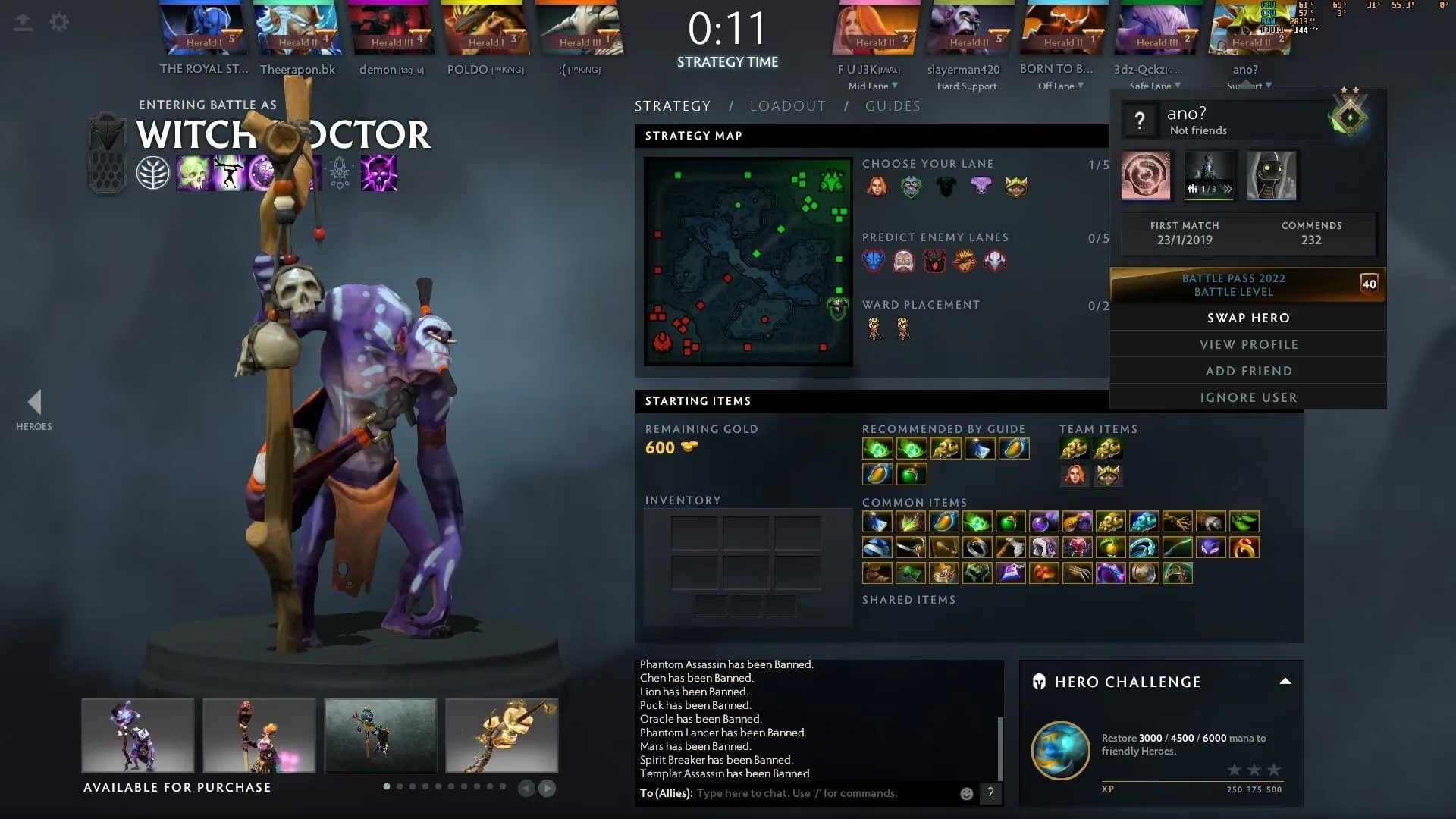
The process of exchanging control of a champion is elegantly integrated into Dota 2's interface, offering two primary windows of opportunity. The first and most common method occurs during the strategy time screen, the period immediately following the draft where teams finalize their plans. Here, a player can simply right-click on the portrait of a hero selected by an ally. This action sends a swap request, which must then be approved by the receiving player. It's a silent negotiation, a quick handshake between teammates that can redistribute roles in an instant. The golden rule for this phase? Do not purchase any starting items or allocate skill points. Once gold is spent or abilities are learned, the swap option vanishes, locking players into their initial choices.
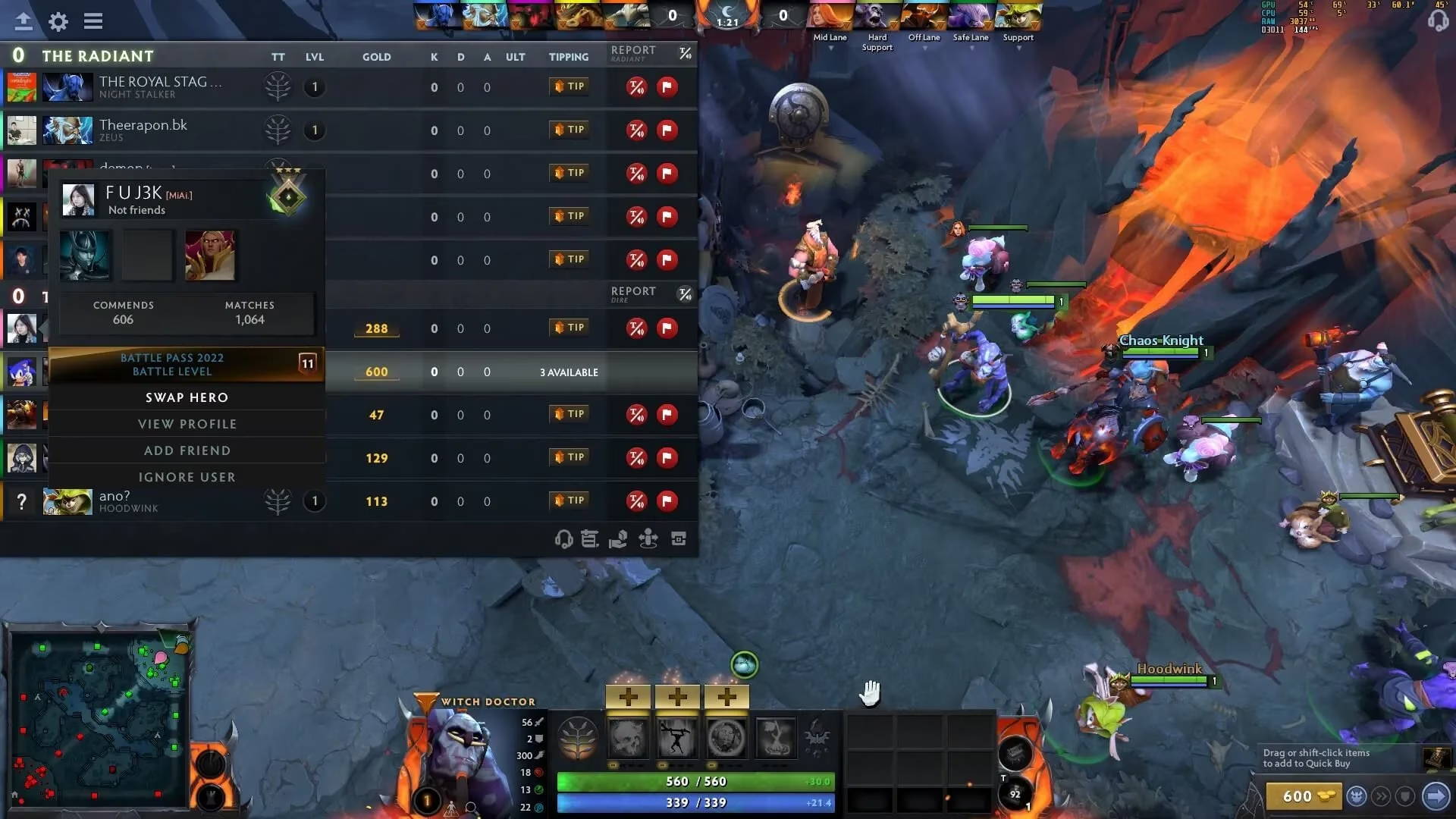
Should the strategy phase clock run down, all hope is not lost. A second, more urgent opportunity presents itself in the opening moments of the game, during the pre-creep spawn 'warmup' period. The method is similar but requires sharper reflexes. Players must open the scoreboard, find their desired ally, and right-click their hero icon to initiate the swap. Again, mutual consent is mandatory. This brief window is a lifeline for teams that experienced a miscommunication during the draft's frantic final seconds or for a player who suddenly realizes they've picked into a devastating counter-matchup. However, once the game timer ticks past this initial grace period, the heroes are permanently assigned, and the chance for a friendly trade is gone.
Why go through this trouble? The reasons are as varied as Dota 2's hero pool itself. 😊
-
Skill Specialization: The most compelling reason. Perhaps your team's last-pick support is actually a world-class Invoker player, while the mid-laner is more comfortable on a simpler, space-creating hero. A swap capitalizes on individual mastery.
-
Counter-Pick Adjustment: The draft didn't go as planned. The hero you selected is now facing a hard counter in lane. Swapping with an ally who has a more favorable matchup can salvage a potentially lost lane.
-
Comfort and Confidence: Dota 2 is a mental game. If a player is feeling anxious or unfamiliar with a complex hero, swapping to a comfort pick can prevent early-game mistakes and boost team morale.
However, not every situation calls for a swap. Wise commanders know that unnecessary changes can introduce chaos. Consider these scenarios where holding your position is the superior strategy:
| When to SWAP | When to HOLD |
|---|---|
| A player is on a hero they are fundamentally unfamiliar with. | The team is already dominating the early game and has strong synergy. |
| The draft resulted in a severely unfavorable lane matchup. | The swap would put a player on a hero they are significantly worse with. |
| It strategically optimizes the team's overall power spikes and game plan. | The opposing team's composition is already weak or disjointed. |
| It's done during the designated strategy or warmup time with full team agreement. | It's being considered mid-crisis during a high-stakes tournament game. |
The decision to swap is never made in a vacuum. It is a team decision first and foremost. A unilateral swap request, especially one without clear communication, can breed resentment and confusion. The process should be discussed, even if briefly. A simple "Can we swap? I'm better on your hero" in team chat can make all the difference. The goal is to maximize the team's collective strength, not to satisfy an individual's whim. Swapping for the sake of novelty when the current lineup is functioning well is a recipe for a thrown game.
As Dota 2 continues to grow in complexity and the professional meta influences pub play, the tactical hero swap remains a powerful, yet underutilized, tool in the average player's arsenal. It embodies the game's core strategic spirit: adaptation. It acknowledges that plans must be fluid and that a team's greatest asset is the combined expertise of its members. By mastering the when, why, and how of hero swapping, players elevate their game from a collection of five individuals to a cohesive, adaptable unit capable of turning any draft into a winning one. Remember, the battle for the Ancient isn't just won with reflexes and farm; it's won in the strategy screen and those first few seconds of the game, where a simple right-click can redefine the entire conflict to come.
Comments